

What if your customers could experience a product before they actually bought it?
Instead of simply looking at a product image, imagine being able to place a sofa inside your living room, try a lipstick shade virtually, explore a piece of jewelry, or interact with a 3D product directly from your phone.
That is the potential of WebAR marketing.As people spend more time browsing, shopping, and discovering brands online, businesses are looking for better ways to capture attention. Static images and traditional advertisements still have their place, but today’s audiences also want experiences that feel interactive and personal.
Web-based augmented reality (WebAR) gives brands an opportunity to make that happen—without necessarily asking customers to download a separate application.
What Is WebAR Marketing?
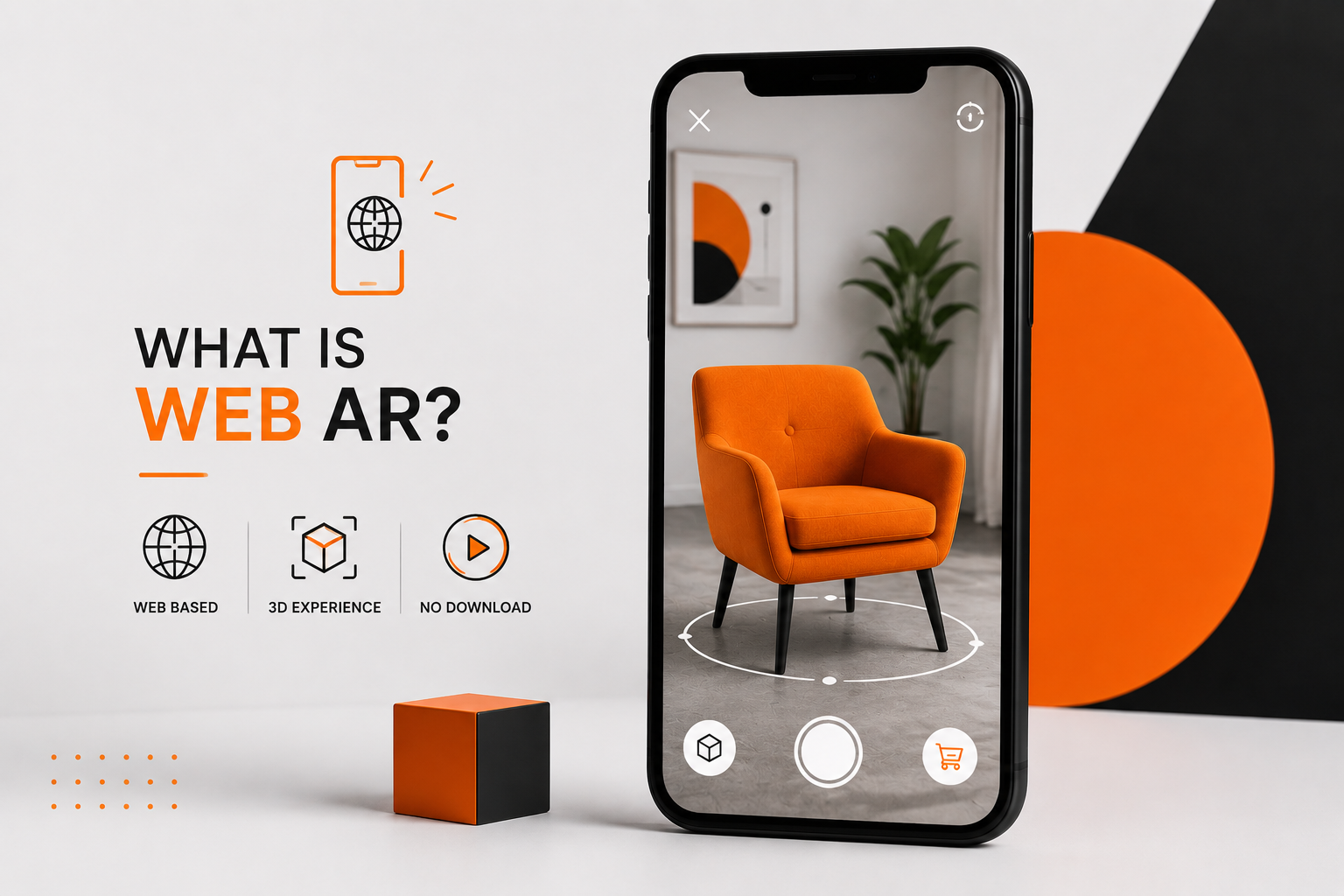
WebAR marketing is the use of augmented reality through a web browser to create interactive experiences for customers.Instead of downloading an app, users can usually access an AR experience through a link, website, advertisement, or QR code using their smartphone.For example, an online furniture store could allow shoppers to see how a chair looks in their own room. A fashion brand could offer a virtual try-on experience, while a real estate business could create an interactive property preview.
The concept is simple:
Don’t just show people what your brand offers. Give them a way to experience it.
That change can make digital marketing more engaging because customers become participants rather than passive viewers.
Why Is WebAR Becoming Important for Marketing?
Think about how quickly people scroll through digital content.They see an advertisement.They look at a product.They scroll again.With so much competition for attention, brands need to give people a reason to stop.This is where AR marketing can be useful.
Rather than simply displaying information, an AR experience can encourage customers to explore, visualize, try, and interact.That interaction can make a campaign more memorable and can also help customers understand a product before making a decision.But there is an important distinction: AR should not be used just because it looks futuristic.
A successful AR experience should solve a problem, simplify a decision, make shopping easier, or give customers a reason to engage with the brand.
How Can Businesses Use WebAR Marketing?
There isn’t one fixed way to use WebAR. The best approach depends on the product, audience, and marketing objective.Here are some of the most practical applications.
1. Product Visualization for E-Commerce
Online shopping has one obvious limitation: customers cannot physically experience the product before buying it.This is where [E-Commerce Solutions] can become even more powerful when combined with augmented reality.Imagine shopping for furniture online and being able to see how a table, sofa, or chair would look in your actual room.Instead of asking customers to imagine the final result, AR gives them a visual reference.This can be particularly useful for businesses offering products where size, appearance, color, or placement matters.
2. AR for Furniture
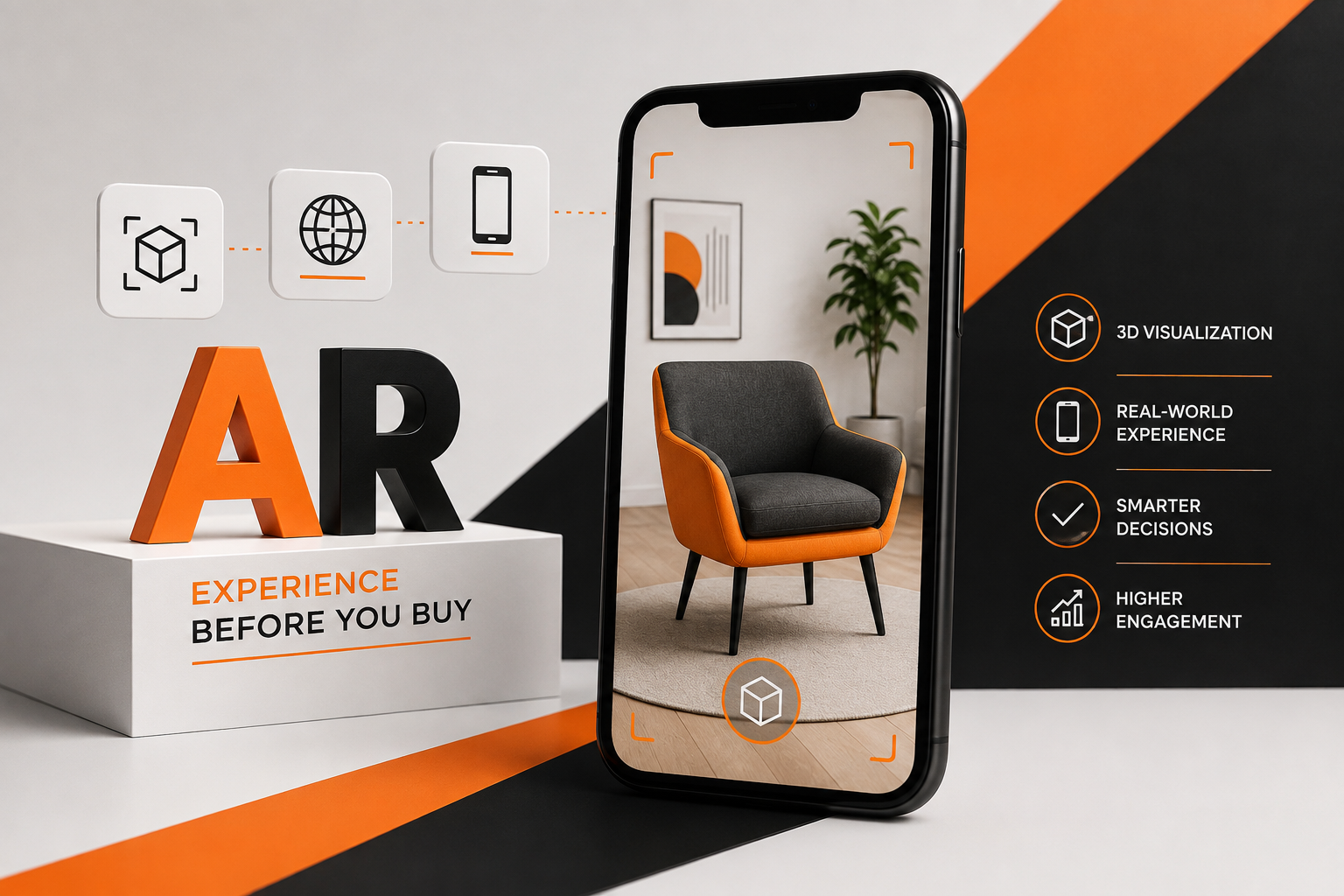
Furniture is one of the clearest examples of where AR can add value.A customer might like a sofa online but still wonder:
Will it fit my room? Will the color look right? Will it actually suit my space?
An AR experience can help answer those questions by allowing customers to visualize products within their own surroundings.For businesses in this industry, [Furniture] AR experiences can turn ordinary product browsing into something much more interactive.
3. AR for Fashion
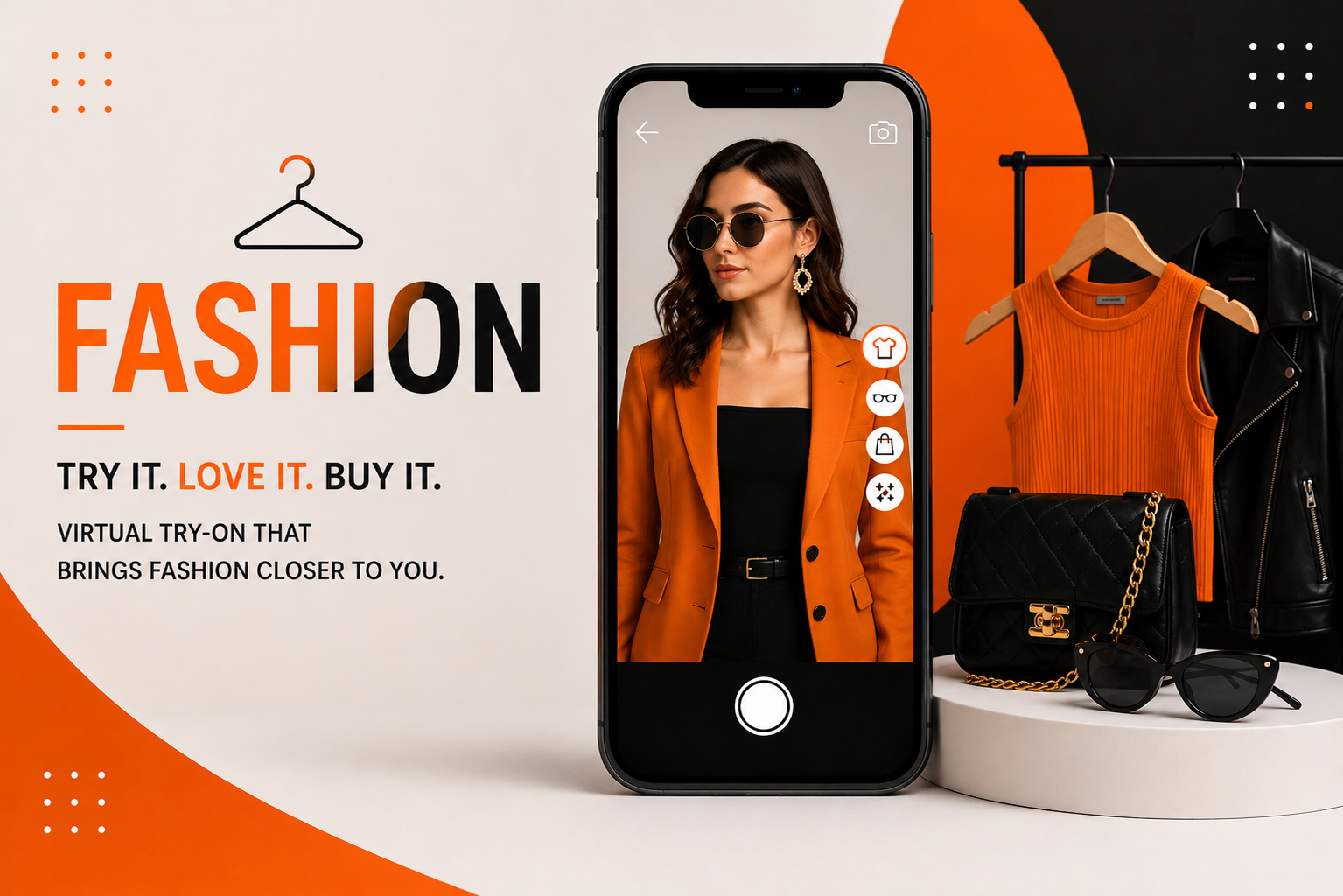
Fashion brands can use augmented reality to create more personalized shopping experiences.Virtual try-ons can allow customers to preview products digitally, while interactive AR campaigns can make new collections more engaging.Instead of simply viewing a model wearing an item, customers can become part of the experience.For brands exploring [Fashion] and immersive e-commerce experiences, AR can create another layer between discovering a product and purchasing it.
4. AR for Jewelry
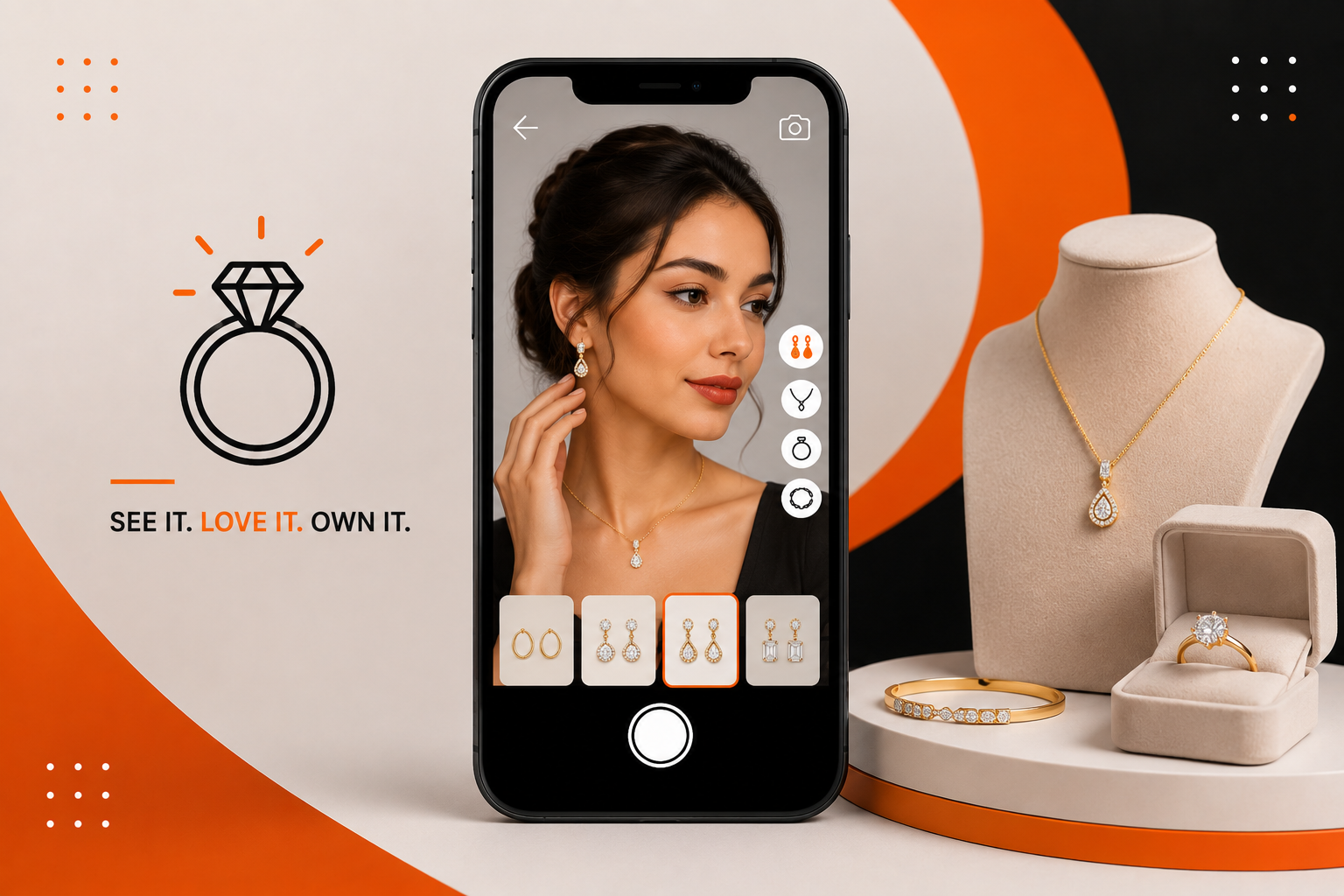
Jewelry is another industry where visualization matters.Customers often want to know how a ring, necklace, bracelet, or other accessory will look before purchasing it.With [Jewelry] AR experiences, brands can create virtual try-ons that allow customers to interact with products digitally.This can make online jewelry shopping feel more personal while helping customers make more confident decisions.
5. AR for Beauty & Cosmetics
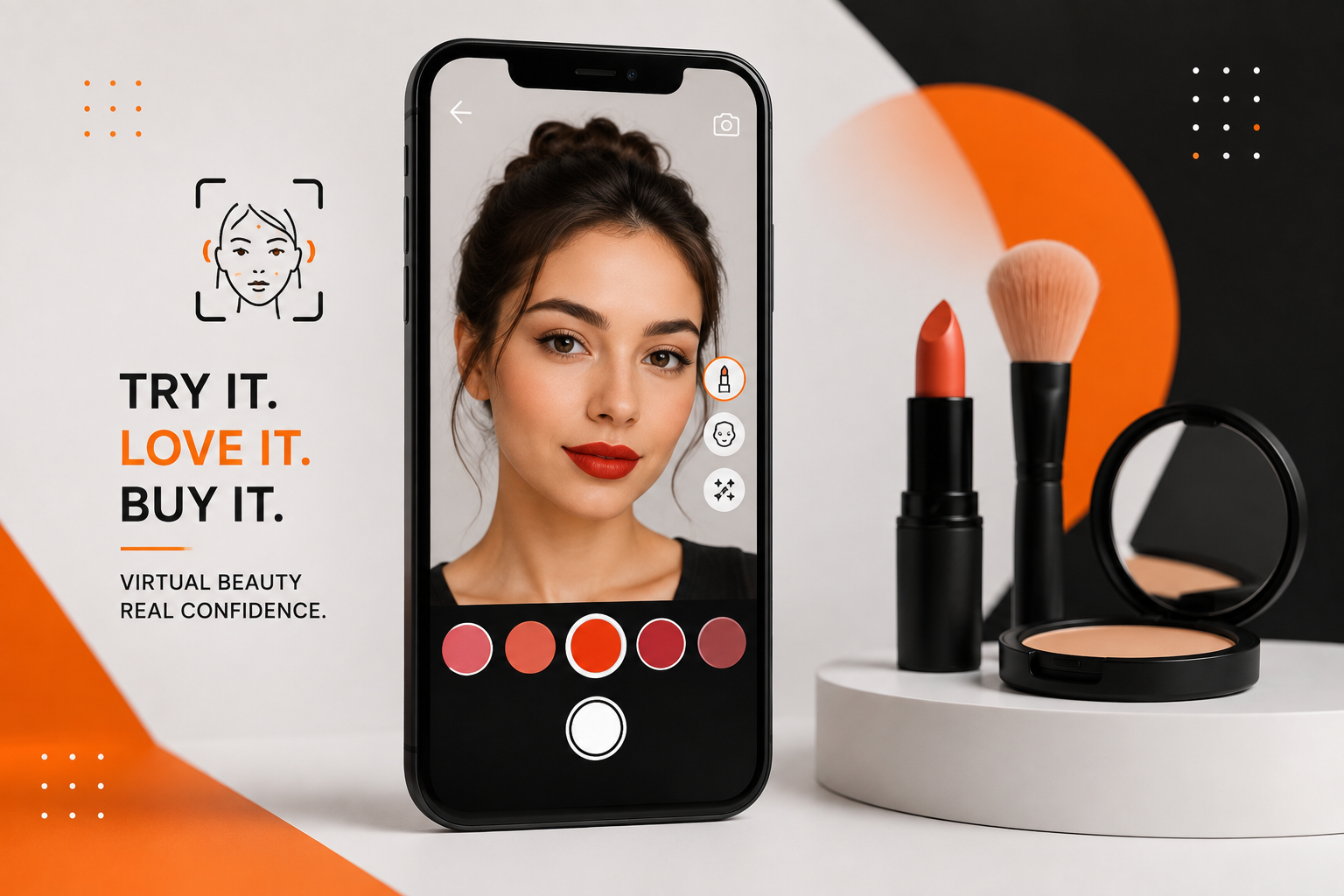
Beauty and cosmetics are naturally suited to interactive experiences.A customer choosing a lipstick, makeup shade, or beauty product may want to see how it looks before buying.Augmented reality can help brands create virtual experiences that let users experiment with different products or looks.For businesses working in [Beauty & Cosmetics], AR can transform a simple product page into a more engaging digital experience.
6. QR Code AR
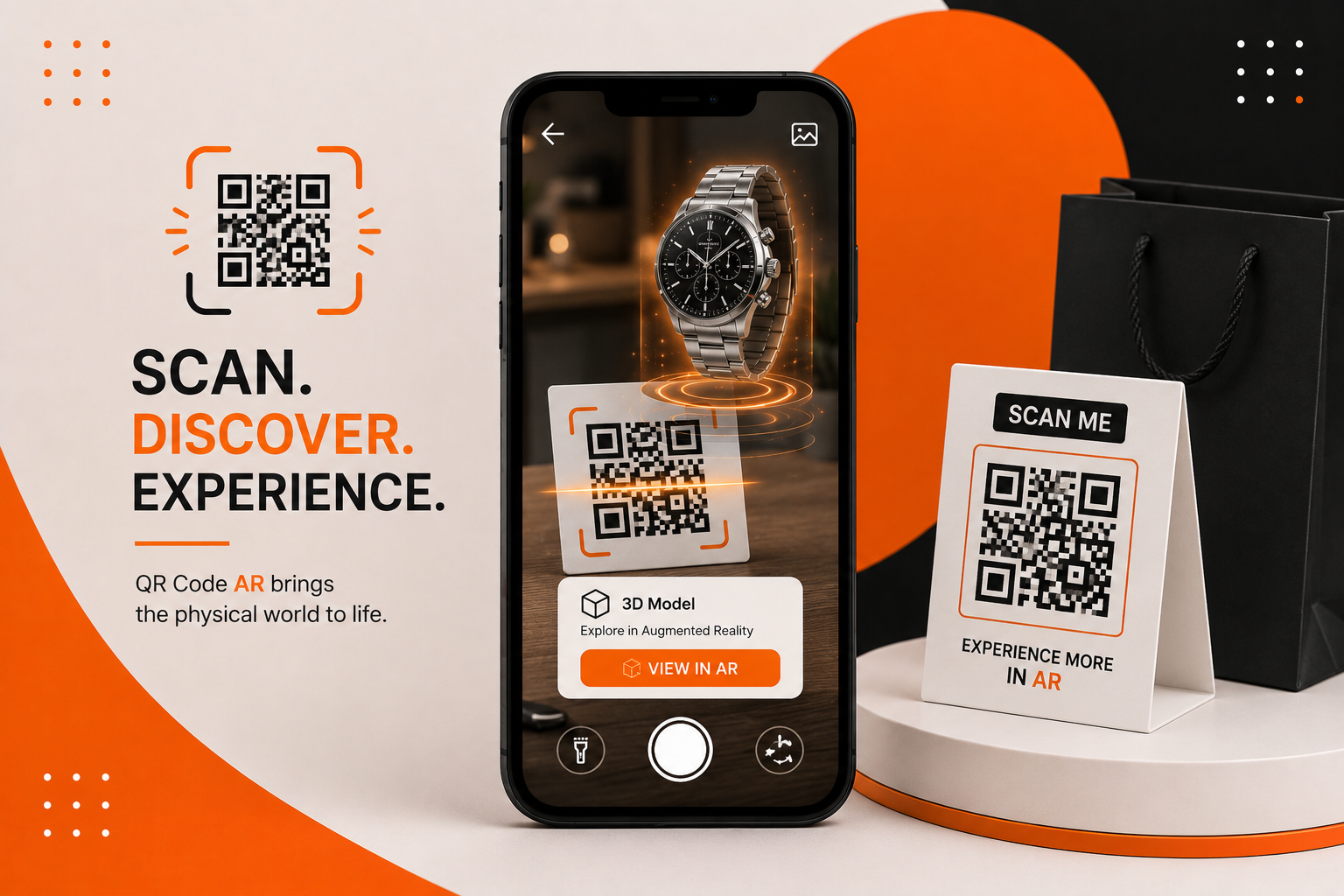
QR codes are already familiar to most smartphone users.But instead of sending customers to a basic webpage, businesses can use QR Code AR to unlock an interactive experience.A QR code on product packaging could launch a 3D product demonstration.A restaurant could use one to display an interactive version of a dish.A property brochure could allow potential buyers to explore a virtual property experience.This creates a connection between the physical world and digital marketing.The printed material gets customers’ attention, while AR gives them something to interact with.
WebAR vs. Traditional Digital Marketing
The biggest difference between traditional digital marketing and AR marketing is participation.A traditional advertisement might show customers a product.A video might demonstrate how it works.An AR experience can allow customers to interact with it.That doesn’t mean WebAR should replace SEO, content marketing, social media, PPC, or other digital channels.In fact, it can work alongside them.Think of the customer journey like this:
SEO brings people to your website.
Content helps them understand your product.
Advertising introduces your brand.
WebAR lets them experience the product.
A strong CTA encourages them to take action.
This makes AR another useful layer within a wider digital marketing strategy.
How to Create an Effective AR Marketing Campaign
A successful AR campaign doesn’t begin with technology.It begins with the customer.Before developing an experience, businesses should ask:
Who is going to use it?
Understanding the audience helps determine whether the experience should be educational, entertaining, practical, or product-focused.
What problem does it solve?
If AR doesn’t make something easier, clearer, or more engaging, there may not be a strong reason to use it.
How will customers access it?
Keep the process simple. A customer shouldn’t have to struggle through multiple steps just to reach the experience.
What happens after the experience?
Give users a clear next step, such as visiting a product page, requesting a quote, making a purchase, booking an appointment, or contacting the business.
A simple customer journey could look like:
Discover → Scan/Click → Experience → Interact → Take Action
That final step is important because AR should support the wider marketing objective—not exist separately from it.
Where Does WebAR Fit Into the Future of Marketing?
The future of digital marketing is becoming more interactive. Technologies like Web AR, AR Filters, QR Code AR, and Product Visualization help brands create more engaging experiences.
But AR isn’t for every campaign. It works best when it solves a real customer need; like visualizing furniture at home, virtually trying products, or scanning packaging for information. That’s when AR becomes a useful marketing tool, not just a gimmick.
Is WebAR Right for Your Business?
WebAR can be particularly useful for businesses where customers benefit from visualization, interaction, personalization, or immersive storytelling.
It can work across industries such as:
- E-commerce
- Furniture
- Fashion
- Jewelry
- Beauty and cosmetics
- Real estate
- Tourism
- Retail
- Events
- Advertising
- Product launches
The right solution depends on your audience and business objective.
Instead of asking:
“How can we add AR to our marketing?”
Start with a better question:
“Where could an interactive experience make our customer’s journey better?”
That is where the real opportunity lies.
Make Your Brand More Interactive With AWGZO
Your customers are already using their smartphones to discover brands, compare products, shop online, and make purchasing decisions.The next step is to give them something more than another static advertisement.
At AWGZO, we help businesses create immersive digital experiences through Web AR, Markerless AR, Marker-Based AR, AR Filters, QR Code AR, Product Visualization, and AR-focused marketing solutions.Whether you want customers to visualize a product, explore an interactive campaign, experience a virtual try-on, or discover your brand in a completely new way, AR can help turn ordinary digital interactions into memorable experiences.
Ready to Explore AR for Your Brand?
Visit AWGZO and discover how augmented reality can help your business create more engaging customer experiences.
Don’t just show your audience what your brand can do. Give them an experience they can remember.
Connect With AWGZO
Visit AWGZO. Instagram · Facebook · TikTok · LinkedIn