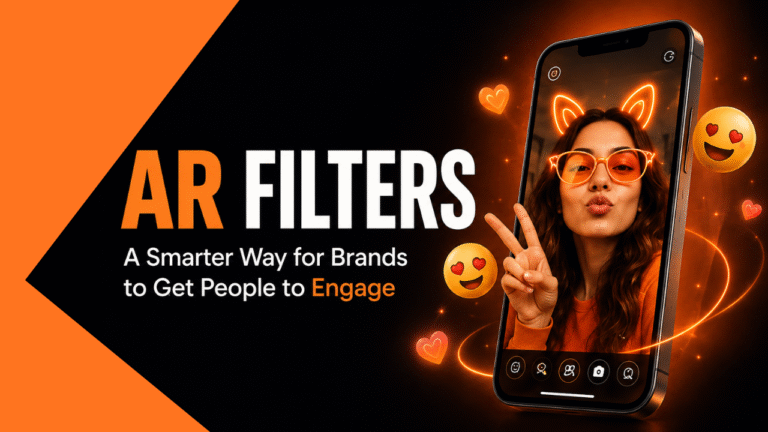
Every day, people scroll through hundreds of posts, videos, and advertisements. Most of them disappear from memory within seconds. The challenge for brands isn’t simply getting seen anymore; it’s giving people a reason to stop and interact.
That’s where AR filters come in. Instead of simply showing customers a product or another promotional message, an AR filter lets them experience something themselves. They can try it, interact with it, create content, and sometimes share that experience with others.
For modern businesses, AR filters are becoming more than a fun digital effect. They can be a creative way to make marketing more interactive, memorable, and engaging.
What Are AR Filters?
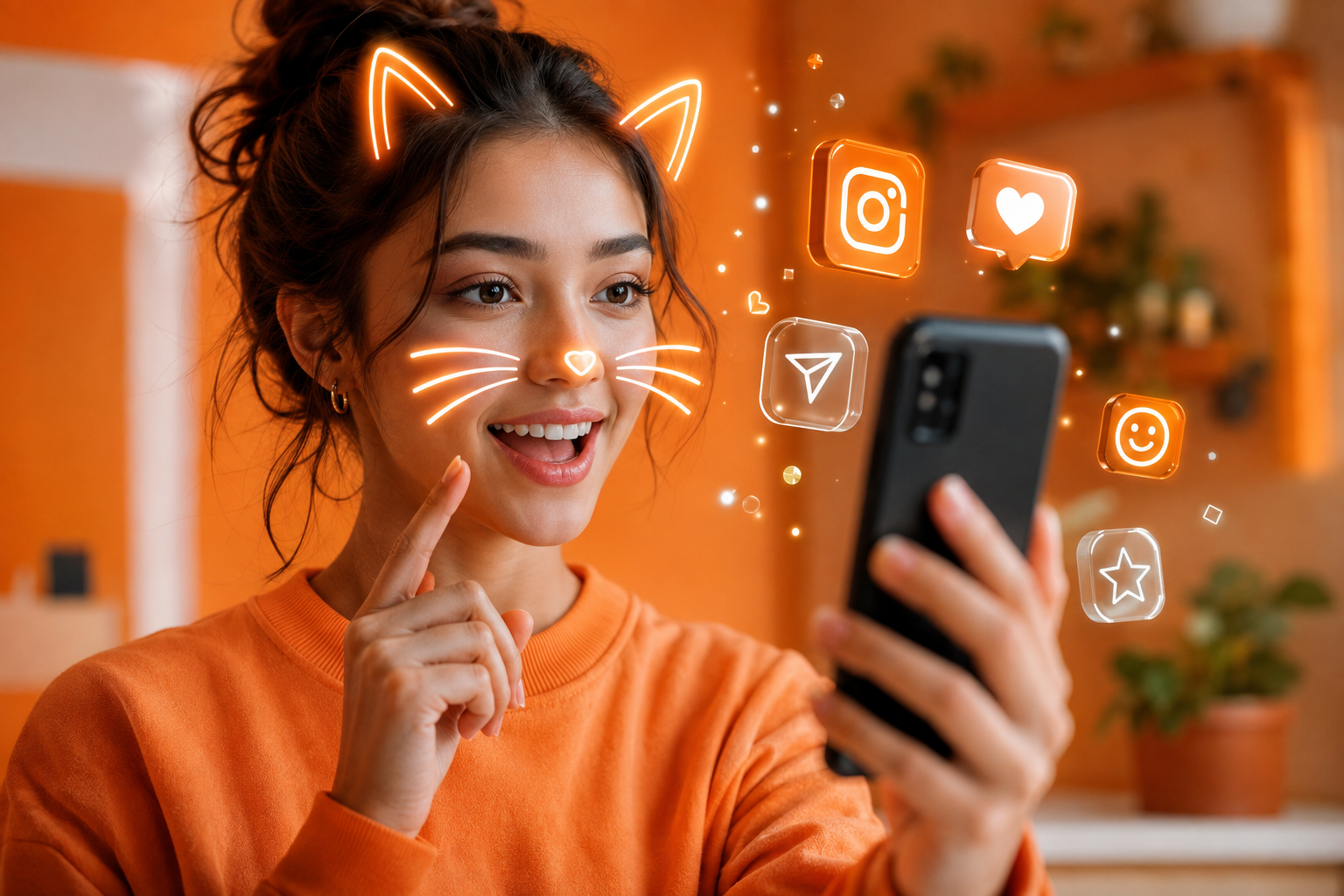
AR, or Augmented Reality, adds digital elements to the real world through a device’s camera. An AR filter can include animations, branded graphics, 3D objects, virtual products, face effects, or other interactive elements.
You may already have used an AR filter without even thinking about the technology behind it. But for businesses, the real value isn’t simply making something look impressive. It’s about using that interaction to create a stronger connection between the customer and the brand.
Instead of asking people to simply watch an advertisement, an AR filter gives them something to do.
Why Do AR Filters Matter for Marketing?
People are exposed to advertising almost everywhere. Because of this, brands are constantly looking for ways to make their content feel more interesting and less predictable.
An AR filter can change the experience from “look at our brand” to “try something with our brand.” That small difference can make a campaign feel much more personal.
When someone interacts with a branded AR experience, they are no longer just a viewer. They become part of the content. If they enjoy the experience and share it, the campaign can also reach people beyond the original audience.
How Can Brands Use AR Filters?
There isn’t one fixed way to use an AR filter. The best approach depends on the business, its audience, and the goal of the campaign.
Product Promotion
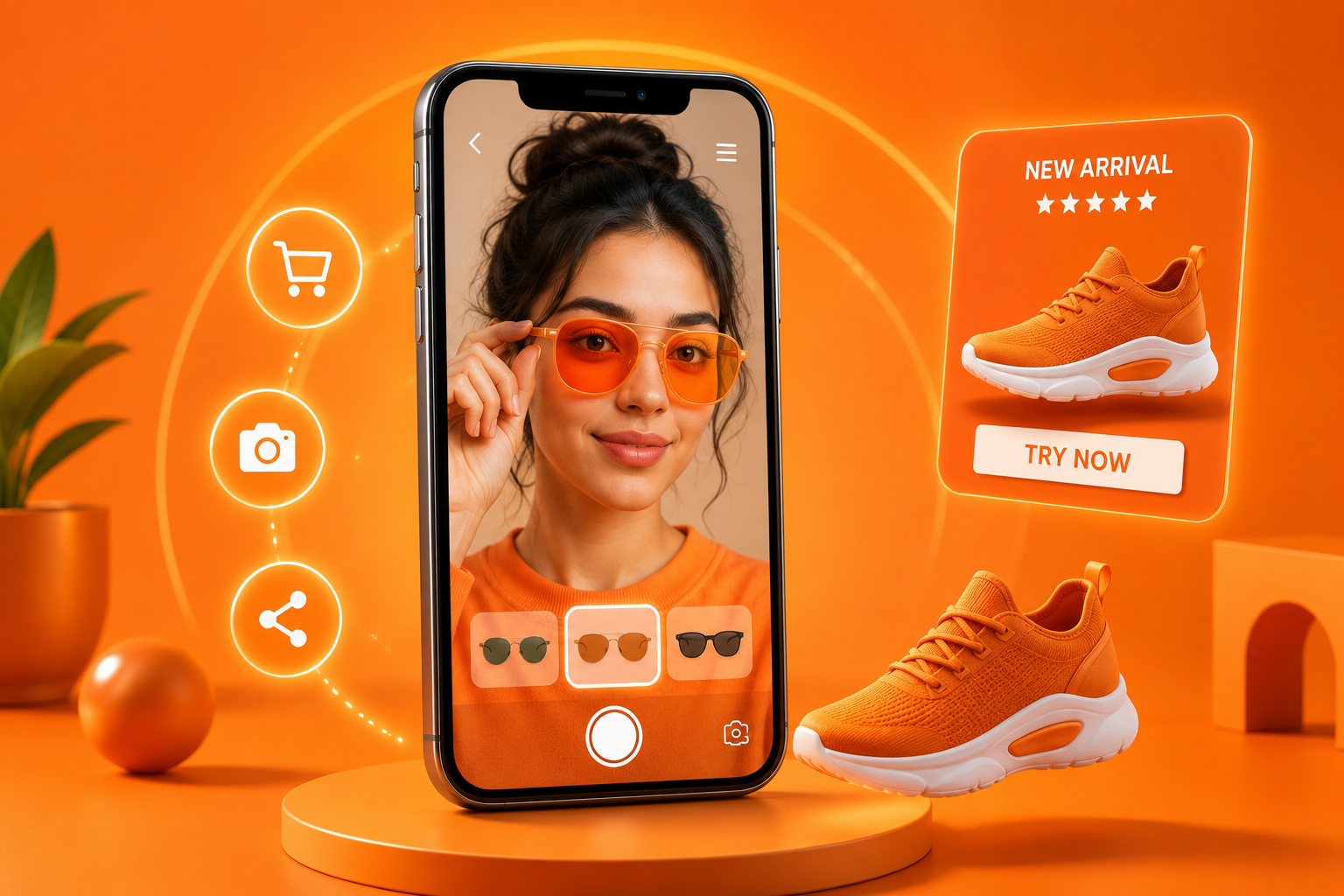 AR filters can make product campaigns more interactive. Instead of relying only on product photos or videos, brands can create experiences around their products using digital effects, animations, or 3D elements.The goal is to help customers experience something connected to the product rather than simply being told about it.
Brand Awareness
AR filters can also help businesses create memorable brand experiences. A filter can incorporate brand colors, visual elements, characters, products, or a campaign theme.
The key is to make the branding feel natural. People aren’t using a filter because they want to stare at a logo. They’re using it because the experience is fun, interesting, or useful. The brand should become part of that experience.
Social Media Campaigns
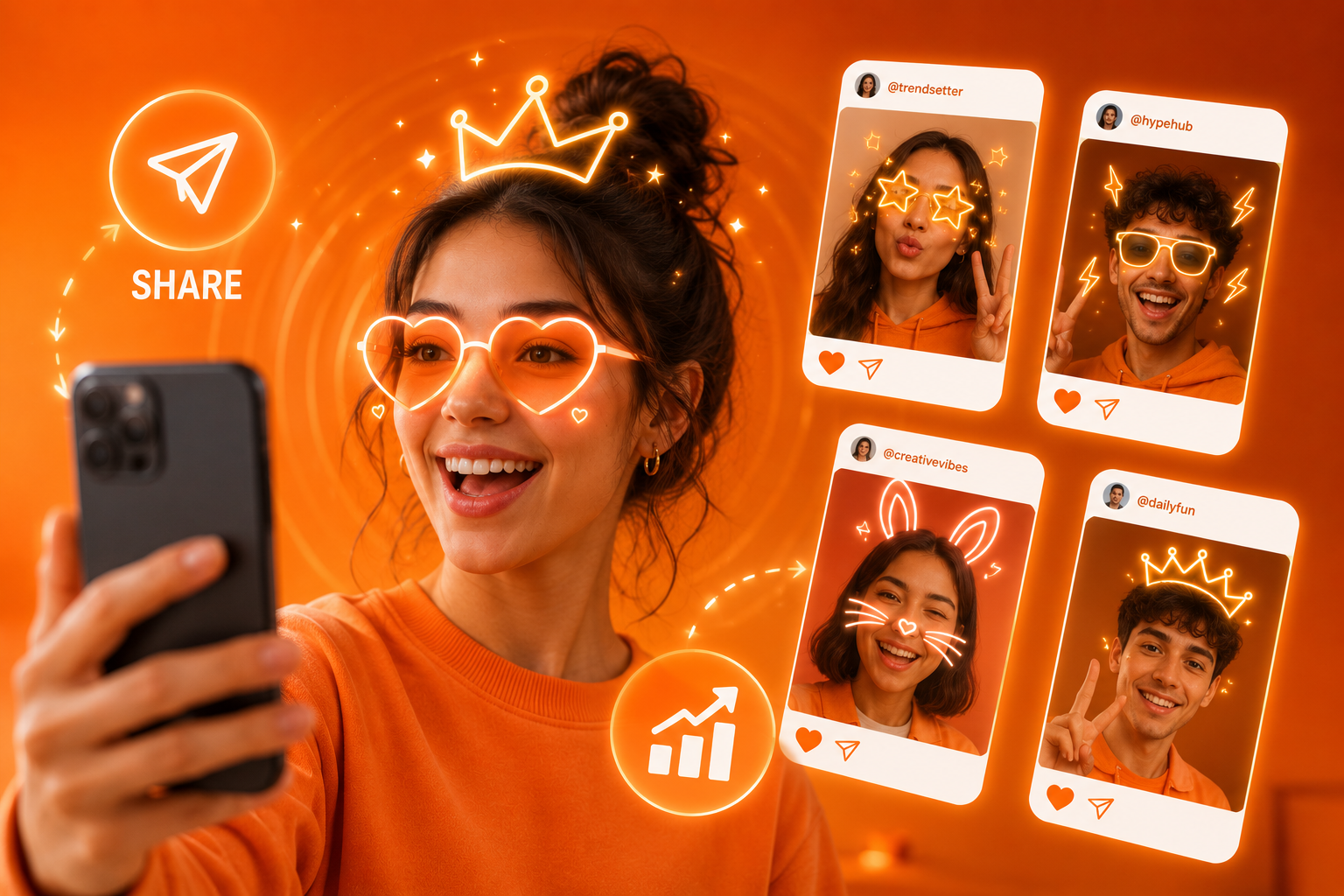 Social media is a natural environment for AR filters because people already use their cameras to create and share content.
A simple campaign journey can be:
See it → Try it → Create with it → Share it
Instead of your audience only consuming the campaign, they can become part of it. That can give brands an opportunity to generate more engaging and shareable content.
Events and Product Launches
AR filters can also add an interactive element to events, launches, and promotional campaigns. A business could create an AR experience around a new product or campaign and encourage visitors to use it and share their experience.
This can connect an offline event with online content, allowing the campaign to continue beyond the physical location.
What About Instagram AR Filters?
If you’ve searched for “AR filters Instagram,” “Instagram AR filters,” or “what are AR filters,” you’ve probably noticed how closely AR has been associated with social media.
However, the social AR landscape has changed. Meta discontinued its third-party Meta Spark platform in January 2025, so businesses can no longer rely on the old model of creating custom third-party AR effects for Instagram and Facebook.
That doesn’t mean AR marketing is going away. It simply means brands need to choose the right platform and format for their campaigns. TikTok, for example, offers Branded Effects that allow brands to create interactive experiences.
The important thing is not to build your entire strategy around one platform. Instead, focus on the experience you want your audience to have.
What Makes a Good AR Filter?
A successful AR filter doesn’t have to be complicated. In fact, if people need a long explanation before they can use it, the experience may already be losing its appeal.
A good filter should be easy to understand, visually appealing, and connected to the brand. Most importantly, it should give people a reason to interact.
That reason could be entertainment, curiosity, product discovery, creativity, or participation in a campaign.
The best AR filters don’t interrupt the customer experience; they become the experience.
AR Filters vs. Traditional Advertising
Traditional advertising still has an important place in digital marketing. Businesses need social media content, paid advertising, search marketing, videos, and other channels to reach customers.
AR simply gives brands another way to connect with their audience.
A traditional advertisement might show someone using a product. An AR experience can allow the customer to interact with something related to that product. One asks the audience to watch; the other can invite them to participate.
That’s why AR works best as part of a wider marketing strategy rather than as a replacement for everything else.
How AWGZO Uses AR for Marketing
At AWGZO, we don’t believe businesses should use augmented reality simply because it looks futuristic. There should be a clear reason behind the experience.
We help businesses turn creative ideas into interactive AR experiences designed around their brand and marketing goals. Depending on the campaign, that can include AR Filters, Web AR, Markerless AR, Marker-Based AR, and QR Code AR.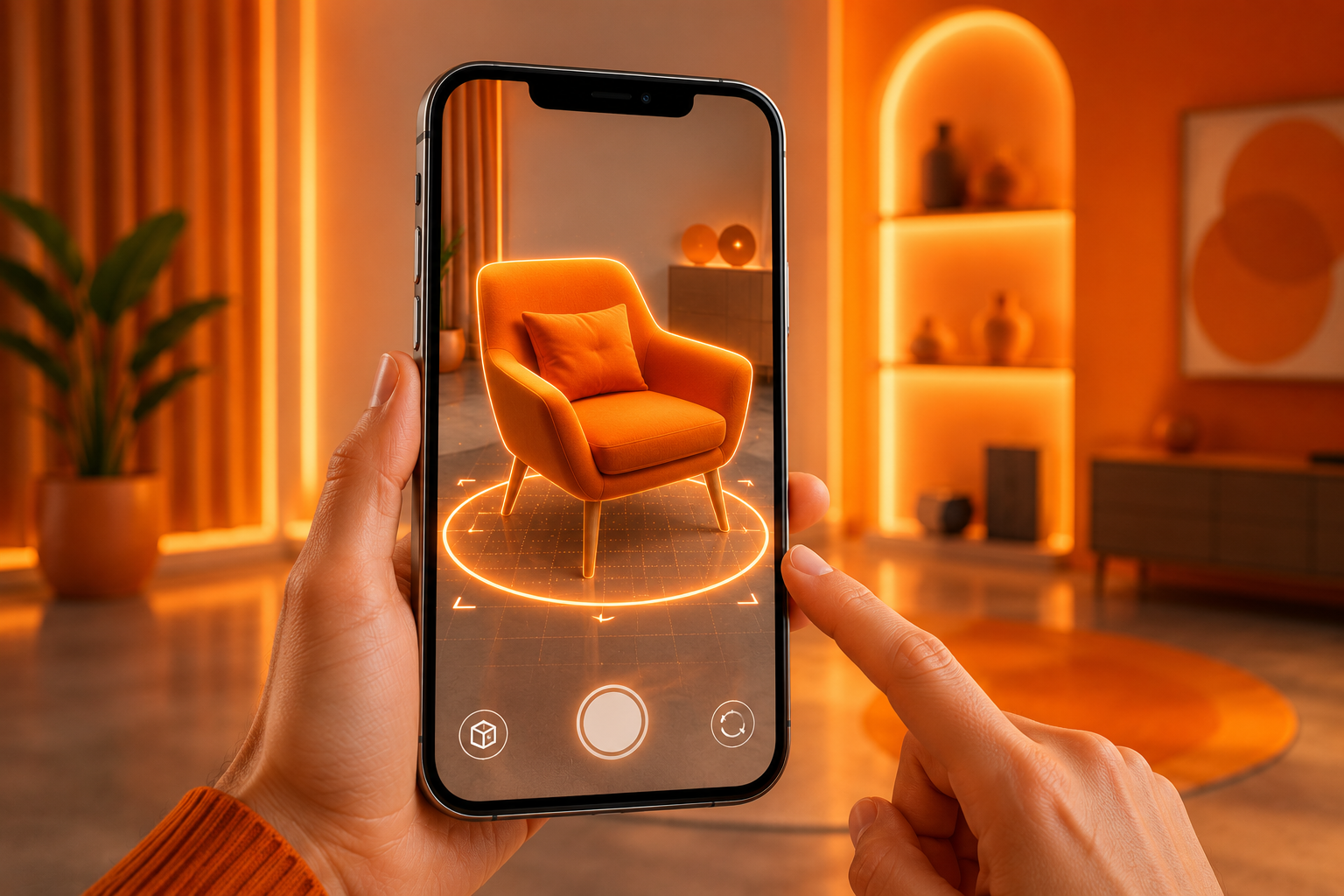
But the technology is only one part of the process. We also think about the audience, the campaign goal, the customer experience, and what should happen after someone interacts with the AR experience.
That’s what turns an AR idea into a marketing tool.
Explore AWGZO’s AR Development Services
The Future of AR Filters
AR filters are moving beyond simple face effects. Brands can now explore experiences connected to products, campaigns, events, and customer journeys.As AR technology continues to develop, the opportunities for businesses will continue to grow. But the brands that stand out won’t necessarily be the ones using the most complicated technology.They’ll be the ones creating experiences that people actually want to use.
Because people may forget another advertisement they saw while scrolling, but they’re much more likely to remember something they experienced themselves.
Ready to Make Your Brand More Interactive?
Your customers are already online. They’re already scrolling, watching videos, creating content, and using their cameras.So instead of giving them another advertisement to scroll past, give them something they can actually experience.
Whether you’re launching a product, promoting a campaign, building brand awareness, or simply looking for a more creative way to connect with your audience, AWGZO can help turn your idea into an interactive AR experience.
Let’s create something people don’t just see; let’s create something they remember.
Book your free appointment and tell us what you have in mind.
Follow AWGZO
Stay connected with AWGZO for AR marketing ideas, interactive experiences, and creative technology: